Big Red Book
Celebrating television's This Is Your Life





Vera LYNN (1917-2020)
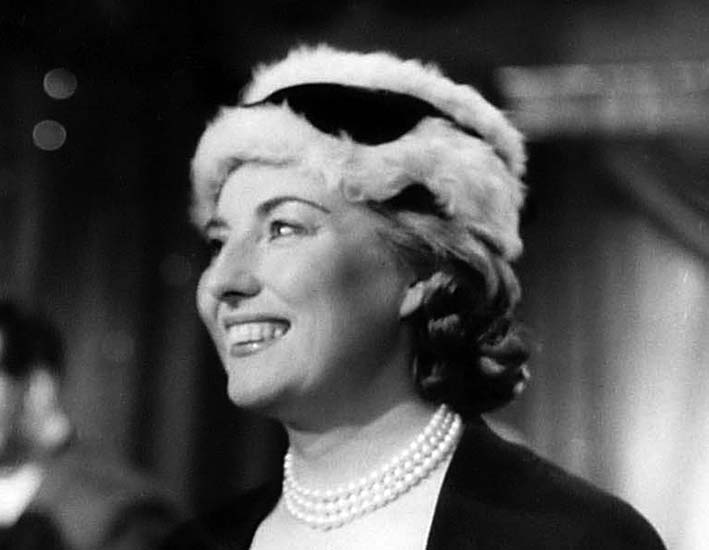
THIS IS YOUR LIFE - Vera Lynn, singer and entertainer, was surprised by Eamonn Andrews in the audience at the BBC Television Theatre, having been brought there by conductor Eric Robinson and members of the Odds and Sods Club in the back of a blacked-out coach on the premise of being on a mystery tour.
Vera first sang publicly at the age of seven in a working men's club in the East End of London and became a professional singer almost as soon as she left school at 14. During the early 1930s, she sang with various big bands, including Howard Baker, Charlie Kunz and Ambrose. She made her first radio broadcast with the Joe Loss Orchestra in 1935 and released her first solo record, Up the Wooden Hill to Bedfordshire, a year later. Her 1939 recording of We'll Meet Again took on a special meaning during the Second World War due to its nostalgic lyrics.
During the early years of the war, Vera was given her own BBC radio programme, Sincerely Yours, in which she sent messages to British troops serving abroad. She later toured with ENSA performing outdoor concerts for the British servicemen, becoming known as "the Forces' Sweetheart". After the war, she continued to tour and record, and in 1952 her version of a German song Auf Wiederseh'n Sweetheart became the first record by a British performer to top the charts in the United States, remaining there for nine weeks.
Vera Lynn was a subject of This Is Your Life on two occasions - surprised again by Eamonn Andrews in December 1978 at the Cafe Royal in London.
programme details...
- Edition No: 37
- Subject No: 37
- Broadcast live: Mon 14 Oct 1957
- Broadcast time: 7.30-8.00pm
- Venue: BBC Television Theatre
- Series: 3
- Edition: 3
on the guest list...
- Ernie Chadwick
- Pat Barry
- Grace Harris
- Annie - mother
- Howard Baker
- Joe Loss
- Joe Brannelly
- Bert Ambrose
- Harry Lewis - husband
- Ex Flt Sgt William Crocker
- Virginia Lewis
- Gnr Fred Thomas Filmed tribute:
- Charlie Kunz
related appearances...
- Norman Wisdom - Dec 1957
- Florence Desmond - Jan 1959
- Wilfred Pickles - Feb 1971
- Pete Murray - Dec 1973
- Louis Mountbatten - Apr 1977
- Joe Loss - Oct 1980
- Tim Brooke-Taylor - Feb 1981
- Douglas Bader - Mar 1982
- Danny La Rue - Apr 1984
- Cliff Michelmore and Jean Metcalfe - Dec 1986
- David Jacobs - Mar 1987
- Harry Secombe - Mar 1990
- Bill Cotton - Mar 1995
- The Night of 1000 Lives - Jan 2000
- Ray and Trevor Powles - Feb 2002
production team...
- Researchers: Nigel Ward, George Bruce, Michael Friend
- Writer: Peter Moore
- Director: unknown
- Producer: T Leslie Jackson
- names above in bold indicate subjects of This Is Your Life
second tribute
it's the singer not the song
surprised again!
a celebration of a thousand editions
'This Is Your Life' But It Dominates MINE!
Producer Leslie Jackson recalls some heart-stopping moments
Vera Lynn recalls her experience of This Is Your Life in an exclusive interview recorded in October 2009
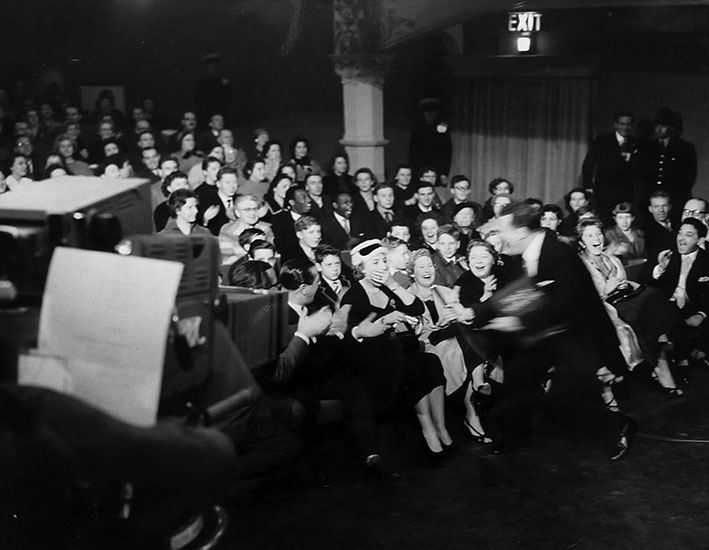
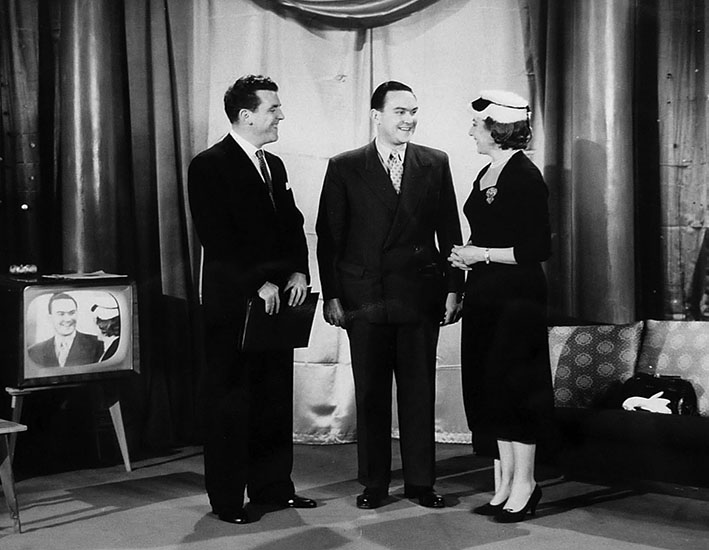
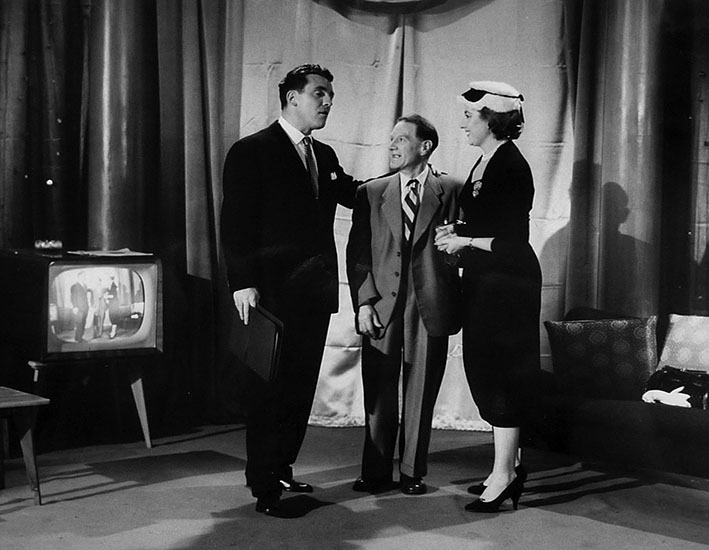
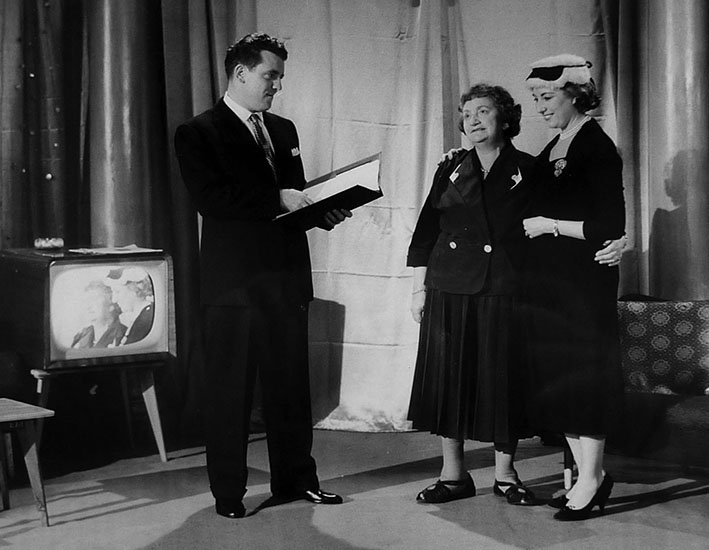
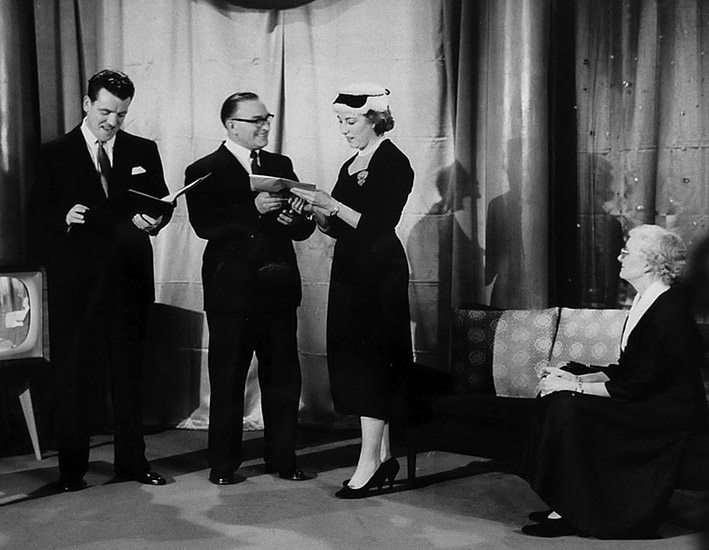
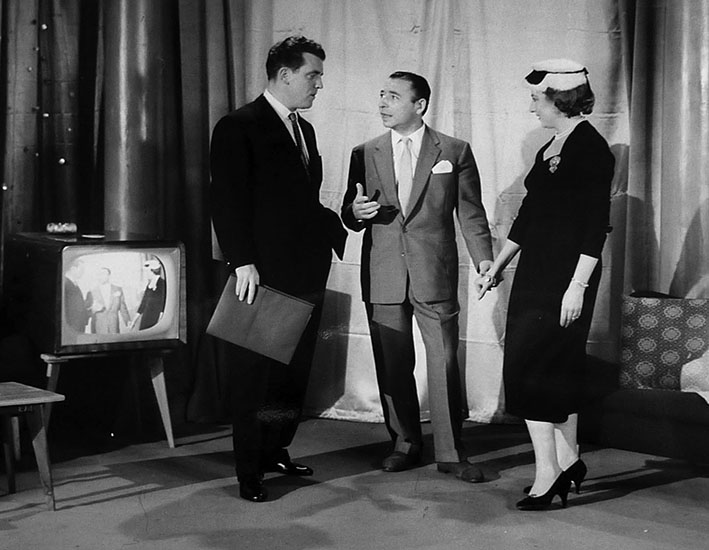
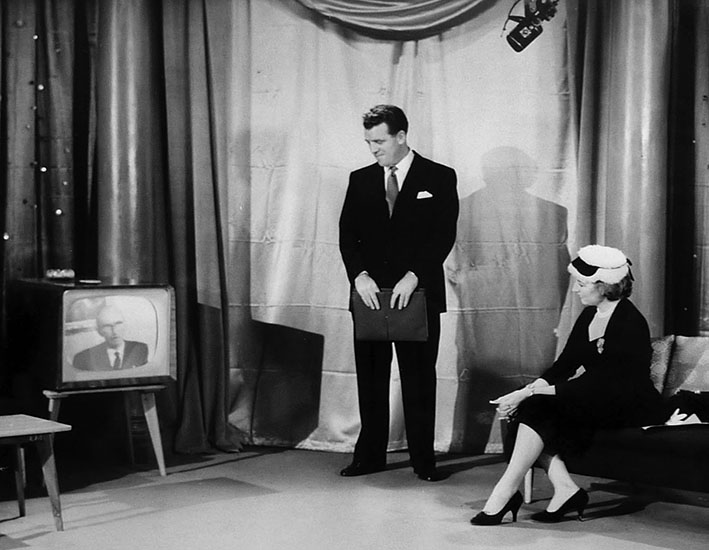
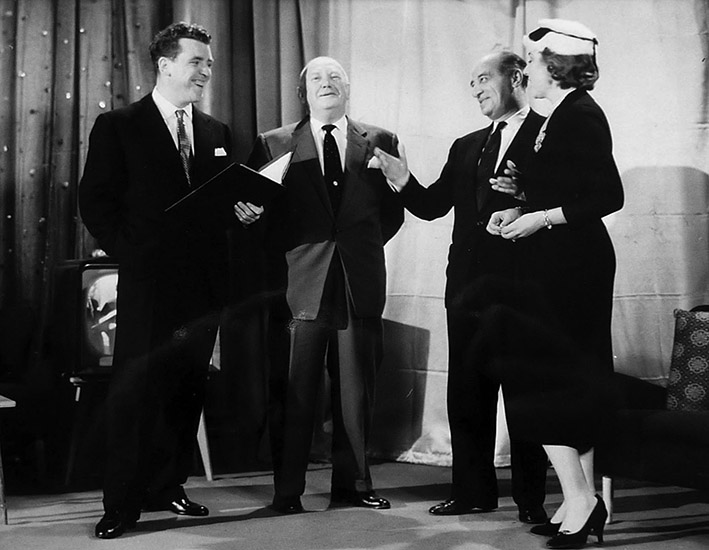
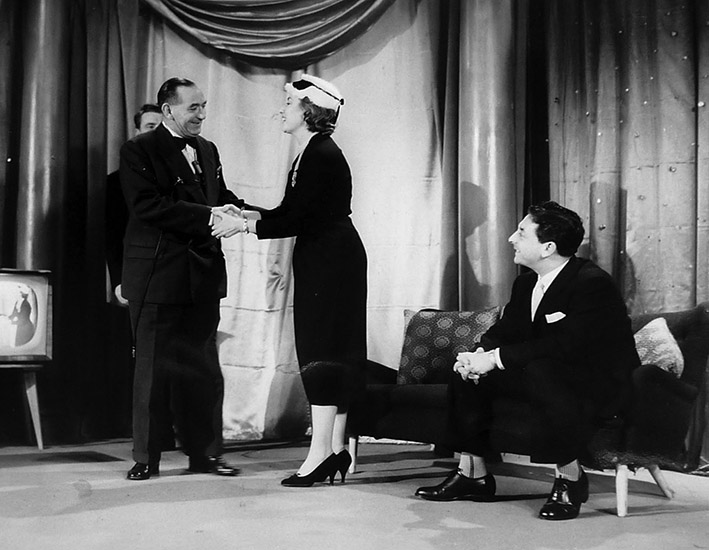
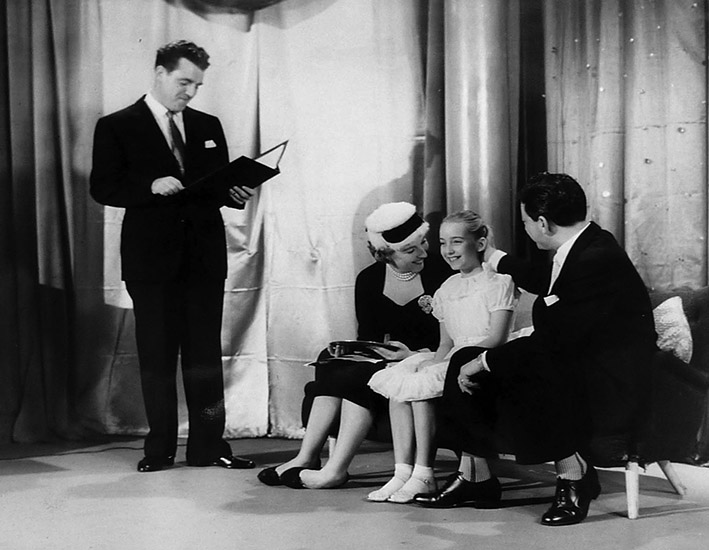
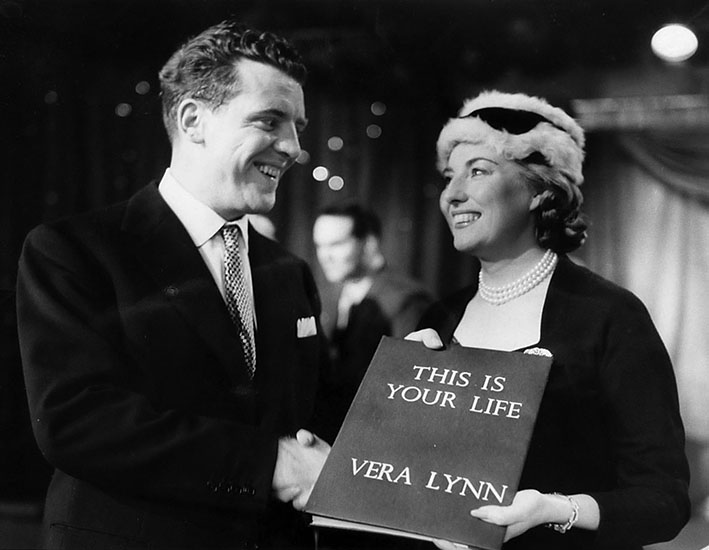
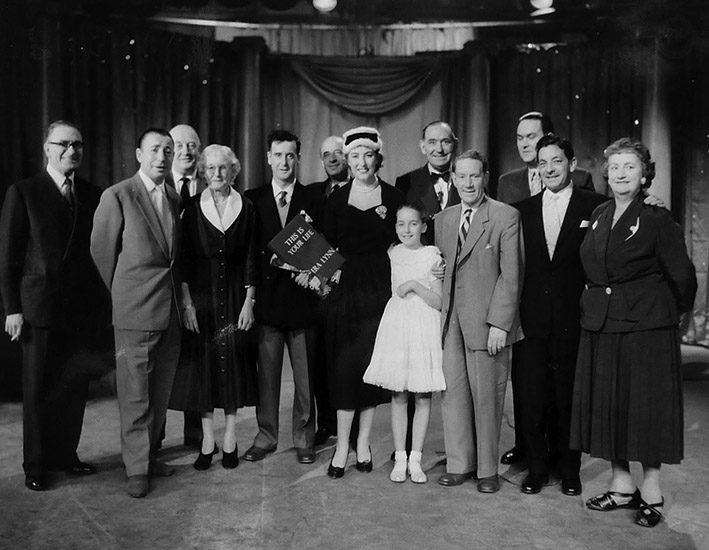
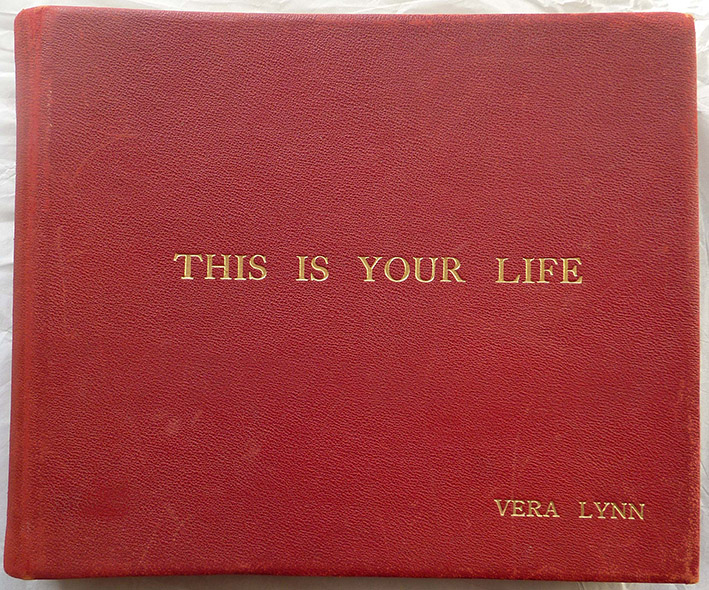
Photographs of Vera Lynn This Is Your Life - and a photograph of Vera Lynn's big red book
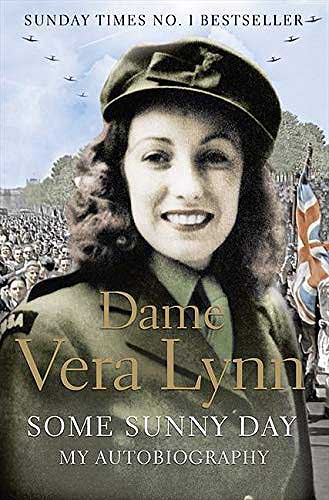
A show at a hospital, as distinct from just a visit, usually took the form of getting as many men as possible into one ward, dragging the piano in and singing.
But always there would be men too ill to be moved, and I'd go and see them after the main performance was over. It was in that way that I sang to my smallest audience – of two. They were both too poorly to come and sit in the concert and were both terribly wounded.
They asked me to sing 'We'll Meet Again'. I could see what they were thinking. In the end only one got home. Years later I was invited to do This Is Your Life and they had managed to find him. I never knew how: I didn't know his name and I certainly didn't know where he lived. I was so surprised and moved, I couldn't believe it.
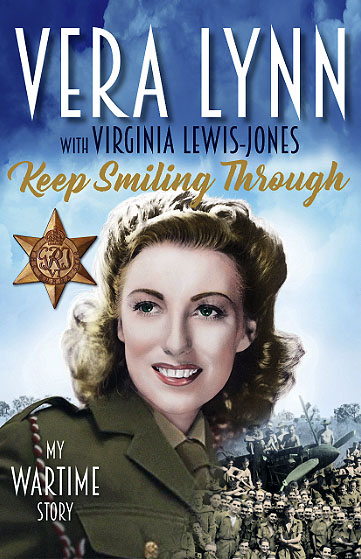
Normally when I performed at a hospital we would try to fit as many men into a ward as possible and do the concert there. Some men could not be moved, though, and often I would go and sing for those men who were too ill to come to the main performance. I don't think it was the only place where this happened, but in Dimapur I sang to an audience of only two men - Gunner Fred Thomas, from Bootle in Merseyside, and Private John Badger, of Sheffield. Both men had been so badly wounded that they were too ill to be evacuated out of Dimapur, so getting out of bed to hear me sing wasn't an option. So I sang just for the two of them. I still have a tiny little newspaper clipping that I expect my mother had cut out while I was away. It says: 'Vera had tea at their bedsides, chatted about their home towns - and answered a whispered appeal for a song.' They asked me to sing 'We'll Meet Again'. I had a lump in my throat as I was singing it, as slowly and tenderly as I could. In the end, only one of these two boys - Fred Thomas - made it home. Years later, in 1957, I was invited to do This Is Your Life, and they had managed to find him. I was so surprised and moved; I couldn't believe it.
I had kept in touch with Arthur and Jean Howard and one day Jean rang to say that Jimmy Edwards had given them a brace of pheasants and announced he was coming to dinner the following evening as he wanted to watch Vera Lynn's This Is Your Life on their television. Jean had no idea how to prepare and cook the pheasants, which were still in their feathers, Could I come and cook them and meet Jimmy?
I was of course delighted, but there was a problem. That evening I was due to play a policeman in Vera Lynn's This Is Your Life. It was only a short scene at the beginning, when she arrived at Lime Grove at 8 o'clock, so it should be possible to prepare the pheasants, start them off, rush round to Lime Grove and be a policeman, then rush back to Kensington to dish up. The plan worked perfectly, Arthur, Jean and Jimmy watched the show and I got back just as it was finishing. The pheasants were perfectly cooked and we had dinner.
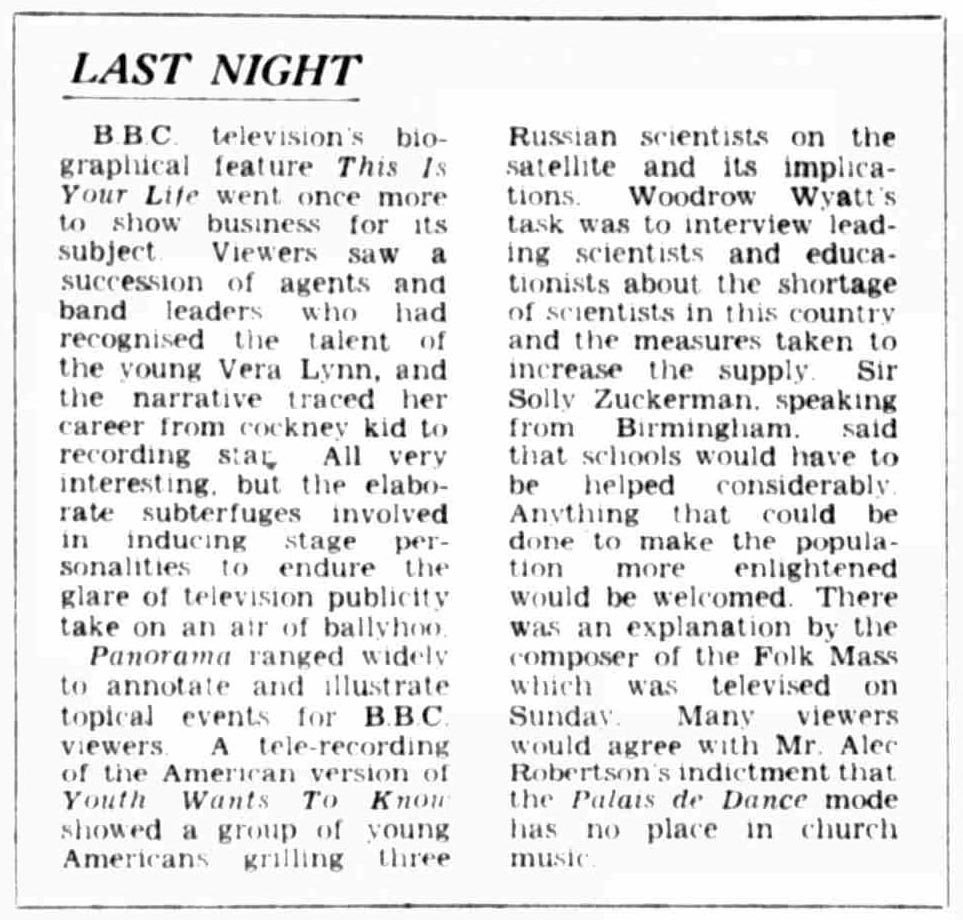
The Birmingham Post and Gazette 15 October 1957
LAST NIGHT
BBC television's biographical feature This Is Your Life went once more to show business for its subject. Viewers saw a succession of agents and band leaders who had recognised the talent of the young Vera Lynn, and the narrative traced her career from cockney kid to recording star. All very interesting, but the elaborate subterfuges involved in inducing stage personalities to endure the glare of television publicity take on an air of ballyhoo.
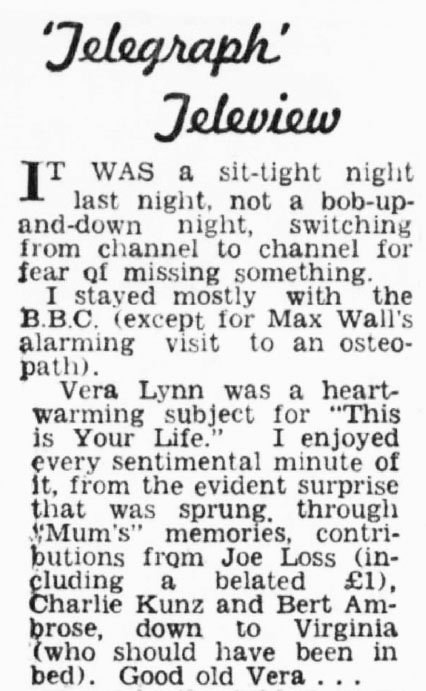
Evening Telegraph 15 October 1957
IT WAS a sit-tight night last night, not a bob-up-and-down night, switching from channel to channel for fear of missing something.
I stayed mostly with the BBC (except for Max Wall's alarming visit to an osteopath).
Vera Lynn was a heart-warming subject for This Is Your Life. I enjoyed every sentimental minute of it, from the evident surprise that was sprung, through "Mum's" memories, contributions from Joe Loss (including a belated £1), Charlie Kunz and Bert Ambrose, down to Virginia (who should have been in bed). Good old Vera...
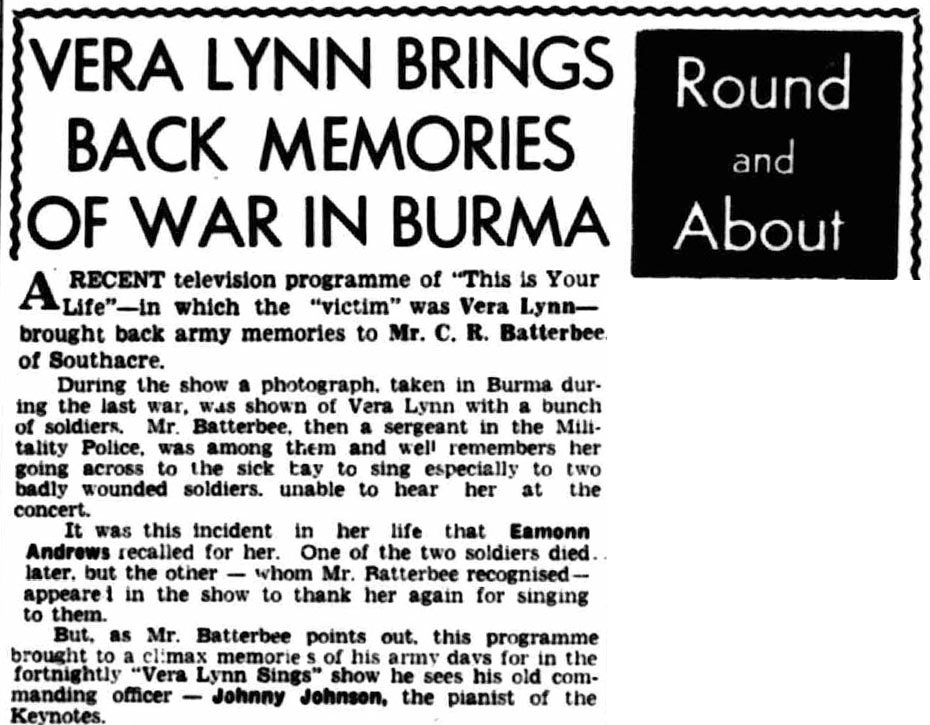
Lynn News and Advertiser 1 November 1957
Round and About
A RECENT television programme of This Is Your Life - in which the "victim" was Vera Lynn – brought back army memories to Mr C R Batterbee of Southacre.
During the show, a photograph, taken in Burma during the last war, was shown of Vera Lynn with a bunch of soldiers. Mr Batterbee, then a sergeant in the Military Police, was among them and well remembers her going across to the sick bay to sing especially to two badly wounded soldiers, unable to hear her at the concert.
It was this incident in her life that Eamonn Andrews recalled for her. One of the two soldiers died later, but the other - whom Mr Batterbee recognised - appeared in the show to thank her again for singing to them.
But, as Mr Batterbee points out, this programme brought to a climax memories of his army days for in the fortnightly "Vera Lynn Sings" show he sees his old commanding officer - Johnny Johnson, the pianist of the Keynotes.
Series 3 subjects
Albert Whelan | Colin Hodgkinson | Vera Lynn | Arthur Christiansen | John Logie Baird | Richard Carr-Gomm | Jack TrainEdith Powell | Anne Brusselmans | Norman Wisdom | Victor Silvester | Jack Petersen | Lucy Jane Dobson
David Bell | Matt Busby | Minnie Barnard | Gordon Steele | Louie Ramsay | Tubby Clayton | Daniel Angel
Anna Neagle | 'Dapper' Channon | Frederick Stone | Paul Field | Noel Purcell | Barbara Cartland
Harry Secombe | Archie Rowe | Humphrey Lyttelton | Francis Cammaerts | A E Matthews